
What does culturally safe training and assessment look like in practice, and how can successful approaches be embedded more broadly across vocational education and training (VET)?
These questions are central to AUSMASA's First Nations Culturally Safe Training and Assessment project, which aims to identify practical approaches that better support First Nations learners and inform recommendations for strengthening training and assessment practices across VET.
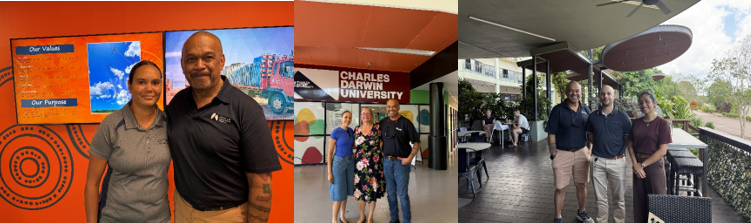
As part of this work, AUSMASA's Indigenous Engagement Manager, Joe Fatnowna, and Project Coordinator, Jessie Cutts, recently undertook consultations in Alice Springs and Darwin with organisations experienced in delivering training and supporting First Nations learners.
Learning from experience
The consultations brought together insights from Charles Darwin University, Batchelor Institute, Advanced Industry Training, Outback Stores and Ninti One Training, each offering valuable perspectives on culturally safe training and learner support.
While their approaches differ, a consistent message emerged: culturally safe training starts with relationships, trust and an understanding of the communities in which learning takes place.
The organisations we spoke to shared that investing time in building relationships before training begins can strengthen learner engagement and improve outcomes. They also emphasised that communities may have different cultural practices, expectations and needs, even when they are geographically close.
Successful training should be informed by local knowledge, shaped by the community and flexible enough to respond to individual circumstances.
Practical examples include delivering learning on Country, engaging First Nations trainers and mentors, providing bilingual support, and developing learning resources based on community feedback. These approaches foster learning environments where learners feel supported and connected to their culture and community.
Flexibility in training and assessment was another emerging theme. Organisations emphasised the need to accommodate family, cultural and community responsibilities, including Sorry Business, and to adapt delivery schedules, assessment methods and support arrangements.
The conversations made it clear that training should connect with meaningful employment opportunities. Local role models, strong industry partnerships, and clear pathways to ongoing work can help ensure training delivers lasting benefits for learners and their communities.
Informing the next steps
These insights will directly inform the project's recommendations for strengthening culturally safe training and assessment practices across VET.
By learning from organisations already using effective approaches, AUSMASA is gaining a clearer picture of the practical changes, support and flexibility needed to make culturally safe training more widely achievable.
Consultations will now continue in Queensland and Western Australia, providing further opportunities to hear from organisations working directly with First Nations learners and communities.
AUSMASA thanks Charles Darwin University, Batchelor Institute, Advanced Industry Training, Outback Stores and Ninti One Training for sharing their experiences and insights.
Got more to add to the conversation?
We welcome opportunities to connect with organisations in Queensland and Western Australia as consultations continue.