
Electric vehicles are changing the work performed in automotive workshops, but not every job performed on an EV requires the same skills or carries the same risk.
That distinction is increasingly important as governments consider how EV servicing and repair should be regulated and what additional training automotive technicians may need. AUSMASA research indicates that the uptake of EVs in the light passenger vehicle market will create a need for an additional 6,500–10,500 EV technicians or automotive technicians with electrical skills.[1]
In New South Wales, proposed reforms would introduce new requirements for EV repair work, including separate pathways for lower- and higher-risk activities. AUSMASA recently submitted a response to the NSW Government consultation, drawing on our workforce research and engagement with the automotive industry.
At the centre of our submission are simple principles that regulation or licensing should be task-based, risk-proportionate, and industry-informed.
Not all EV work that carries high-voltage (HV) risk is the same.
Routine workshop activities, such as logbook servicing, replacing cabin air filters, servicing wipers and washers, and some diagnostic work, do not pose HV electrical hazards.
Other tasks may initially pose HV electrical hazards but can be undertaken safely once the vehicle has been safely isolated or depowered.
At the other end of the spectrum is specialist work involving high-voltage systems, including work inside the high-voltage battery, live insulation resistance testing, and handling damaged batteries. These activities pose a fundamentally different risk and require a higher level of specialist capability and training.
Safety must be at the centre of the EV workforce and training arrangements. However, regulation also needs to be practical and proportionate.
There are currently 41 registered training organisations delivering the AURSS00064 Battery Electric Vehicle Inspection and Servicing Skill Set across Australia, while AUSMASA's research estimates training costs between $1,500 and $3,000 per technician.[2]
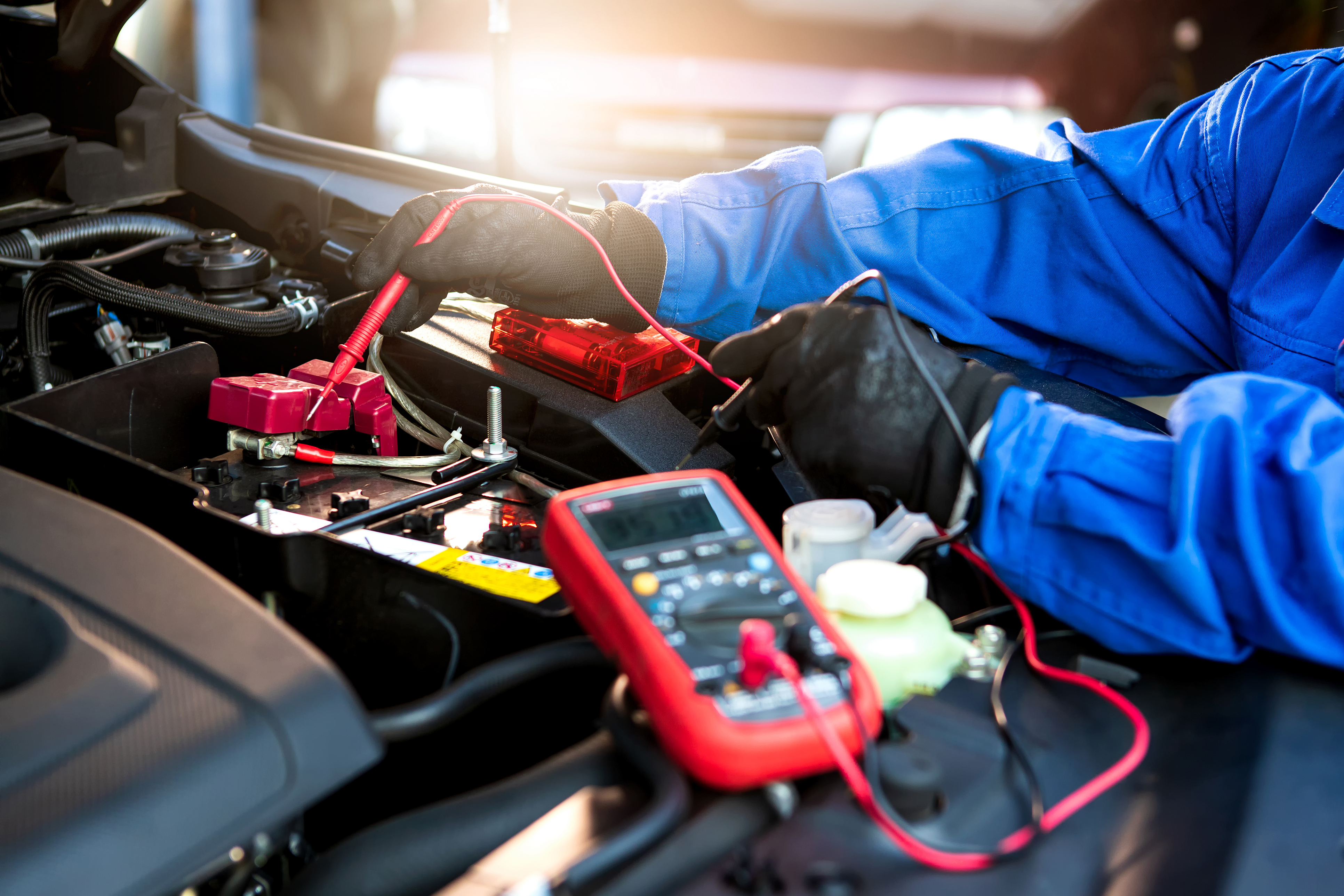
Requiring technicians to undertake higher-level EV training for work that does not carry the corresponding level of risk could place additional pressure on an automotive workforce already facing significant shortages.
The impact would be particularly significant for smaller workshops, where technicians are often multi-skilled, and businesses have limited capacity to remove workers from the workshop for extended training.
Over time, those constraints could also flow through to consumers, resulting in reduced repair capacity, longer waiting times and higher servicing costs.
This is why understanding what technicians actually do when an EV enters a workshop is essential.
Through our EV Skills Mapping Project, AUSMASA is breaking down EV servicing and repair roles into tasks and examining the electrical and EV-specific skills required to perform them safely and effectively.
Rather than starting with an occupation, "mechanic", "automotive electrician" or "EV technician", the research looks at the work itself: What is the task? What HV hazard does it present? What skills are needed to mitigate that hazard?
The project will produce a detailed skills map covering workshop tasks performed on EVs and is due for completion in September 2026. AUSMASA has recommended that this evidence inform the NSW reforms.
As Australia's EV fleet grows, the automotive workforce will need to continue adapting.
That will require new skills and, for some types of work, specialist training. But it doesn't necessarily mean every automotive technician needs to become a high-voltage EV specialist.
A regulatory framework that distinguishes between routine, lower-risk and genuinely high-risk work can help ensure technicians have the skills they need for the work they perform, protecting safety without unnecessarily restricting the workforce's capacity to service and repair EVs.
For AUSMASA, that is the balance we want to see: evidence-based, task-focused, and risk-proportionate settings that support safety, workforce capability, and a productive automotive industry.